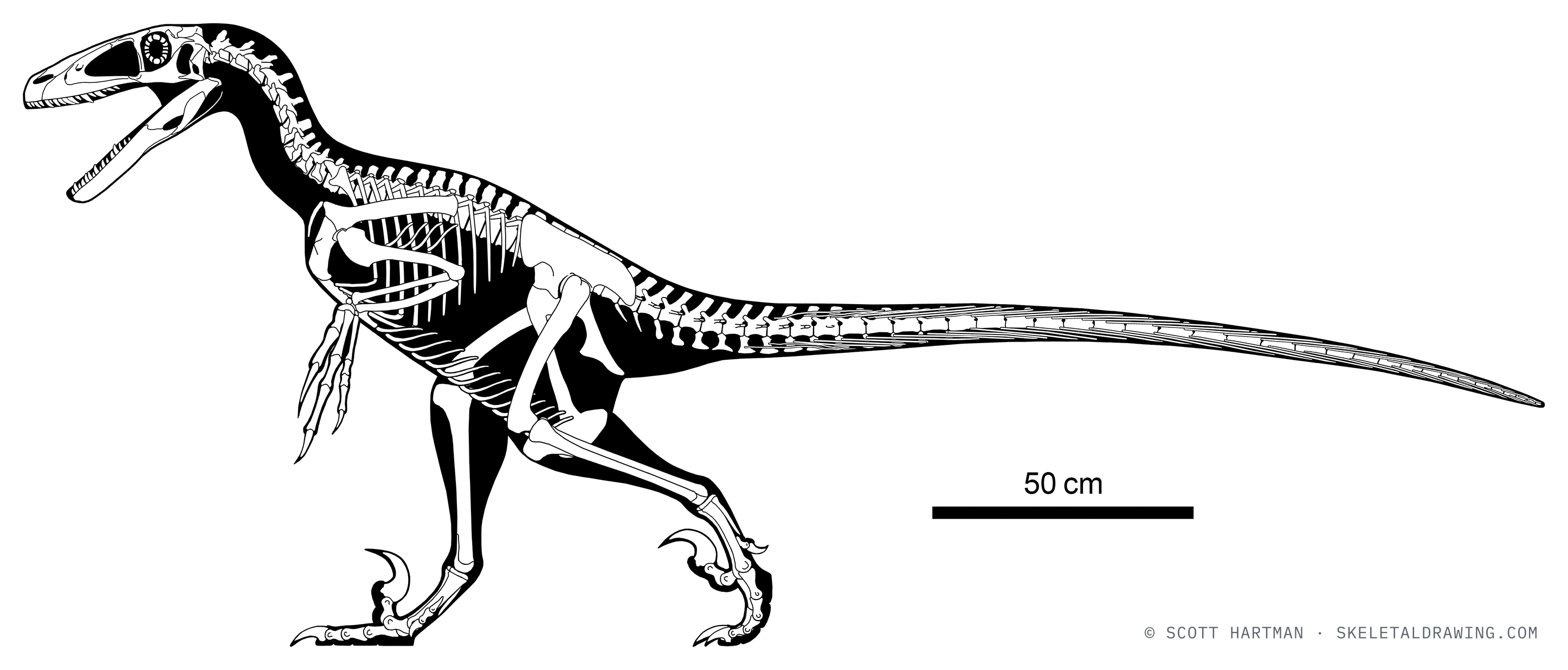
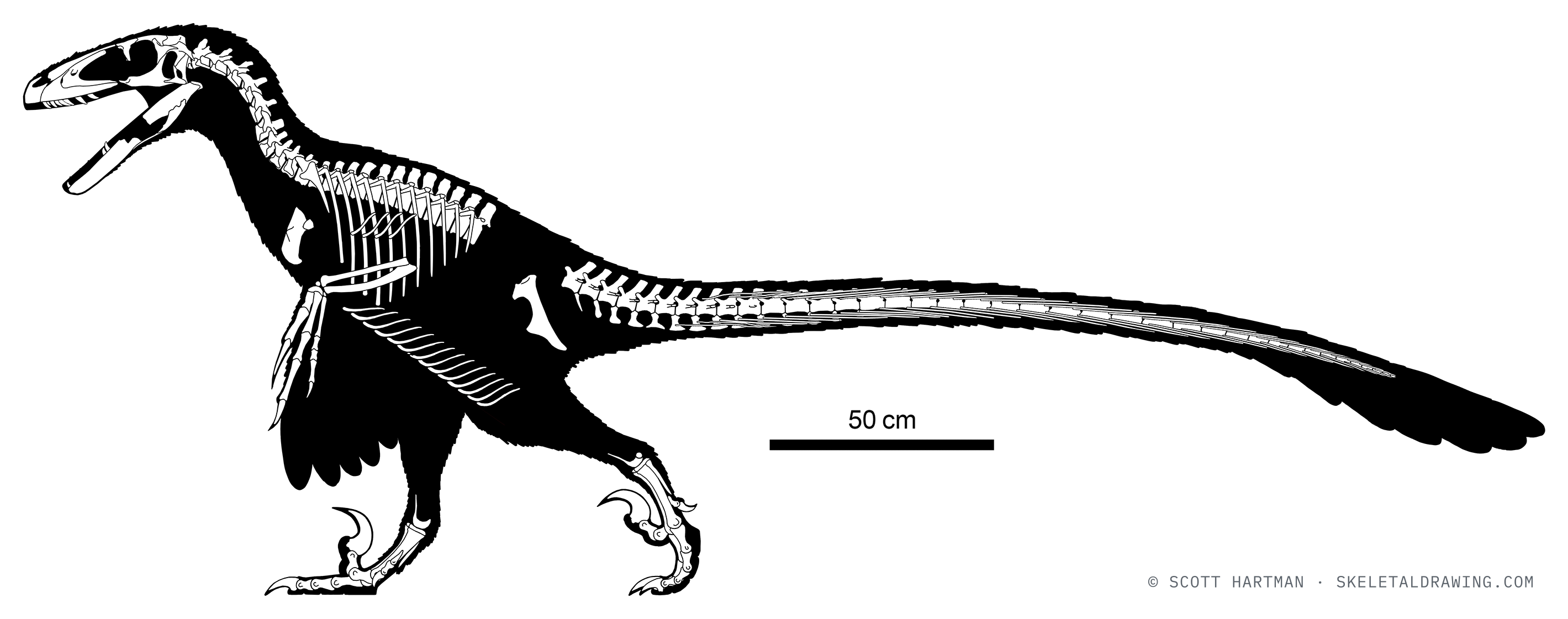
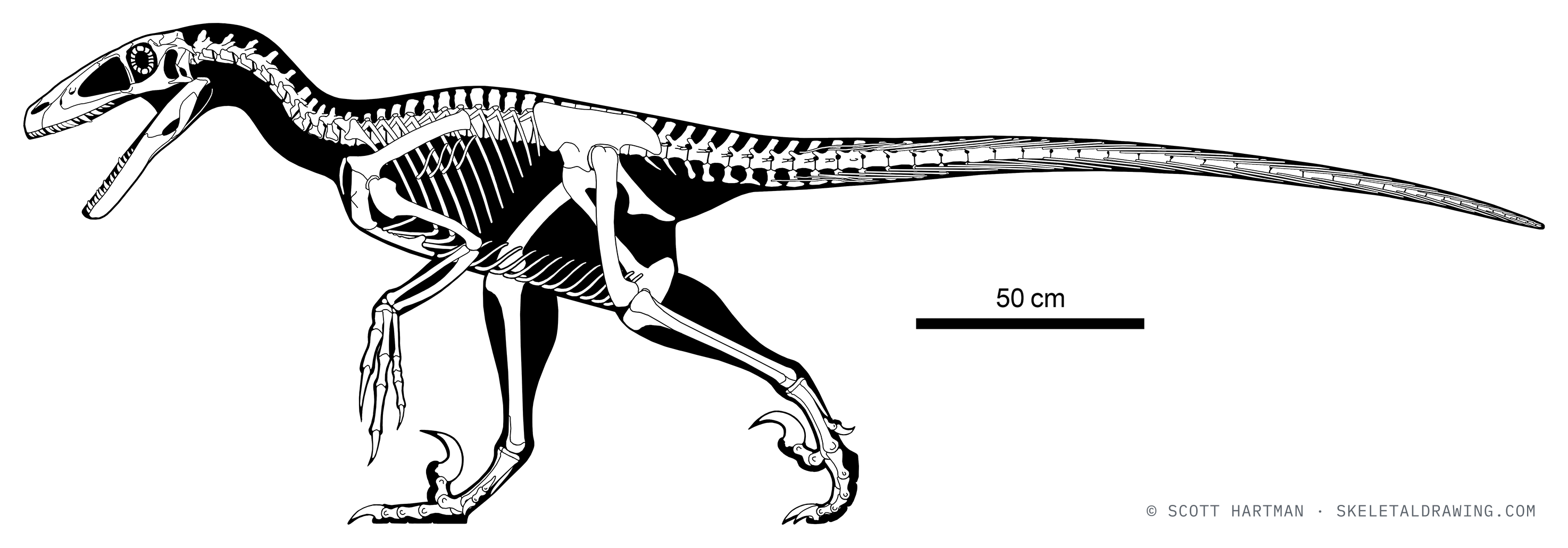
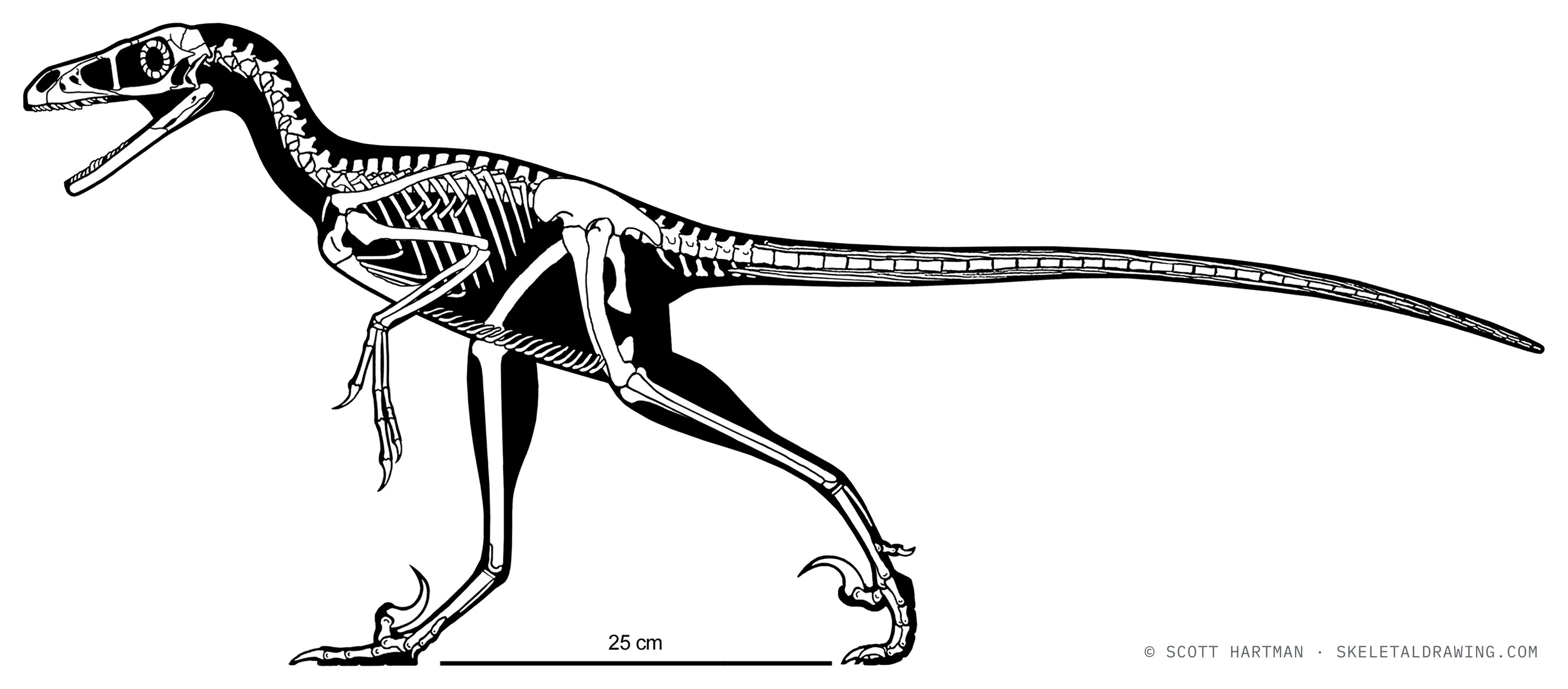
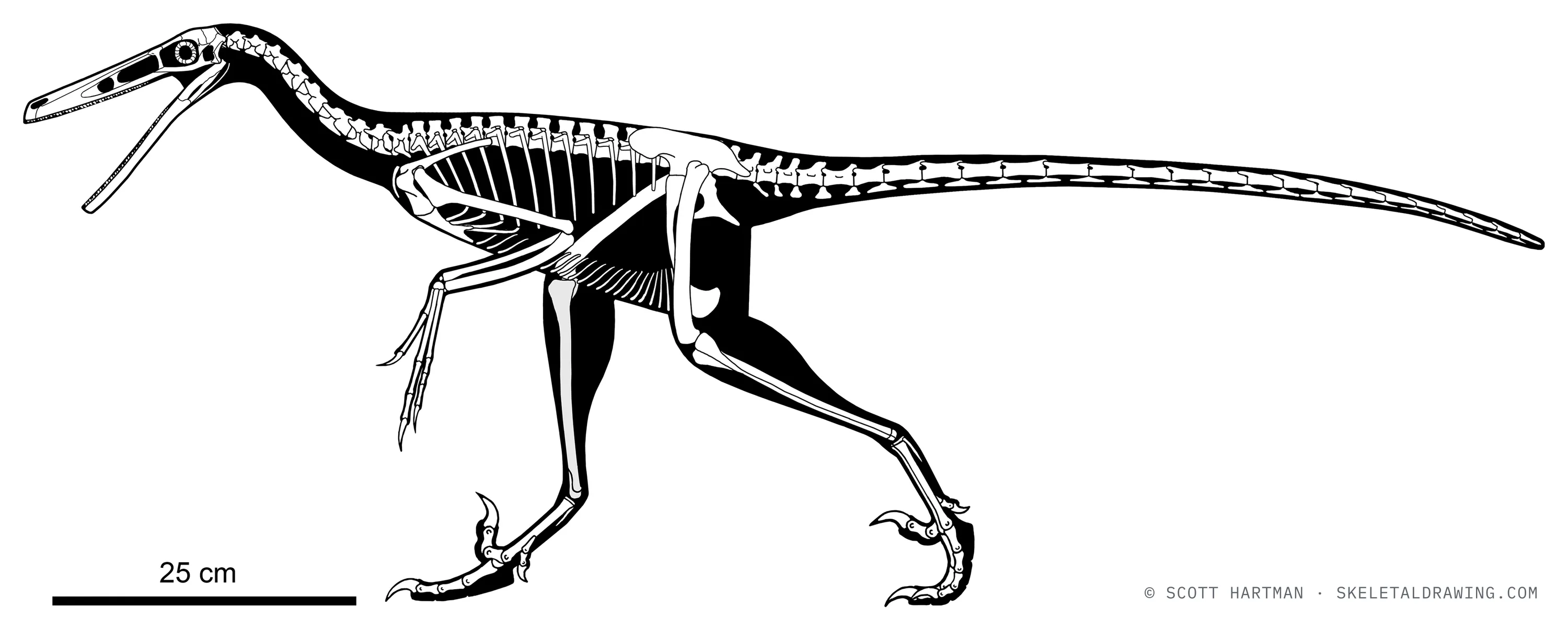
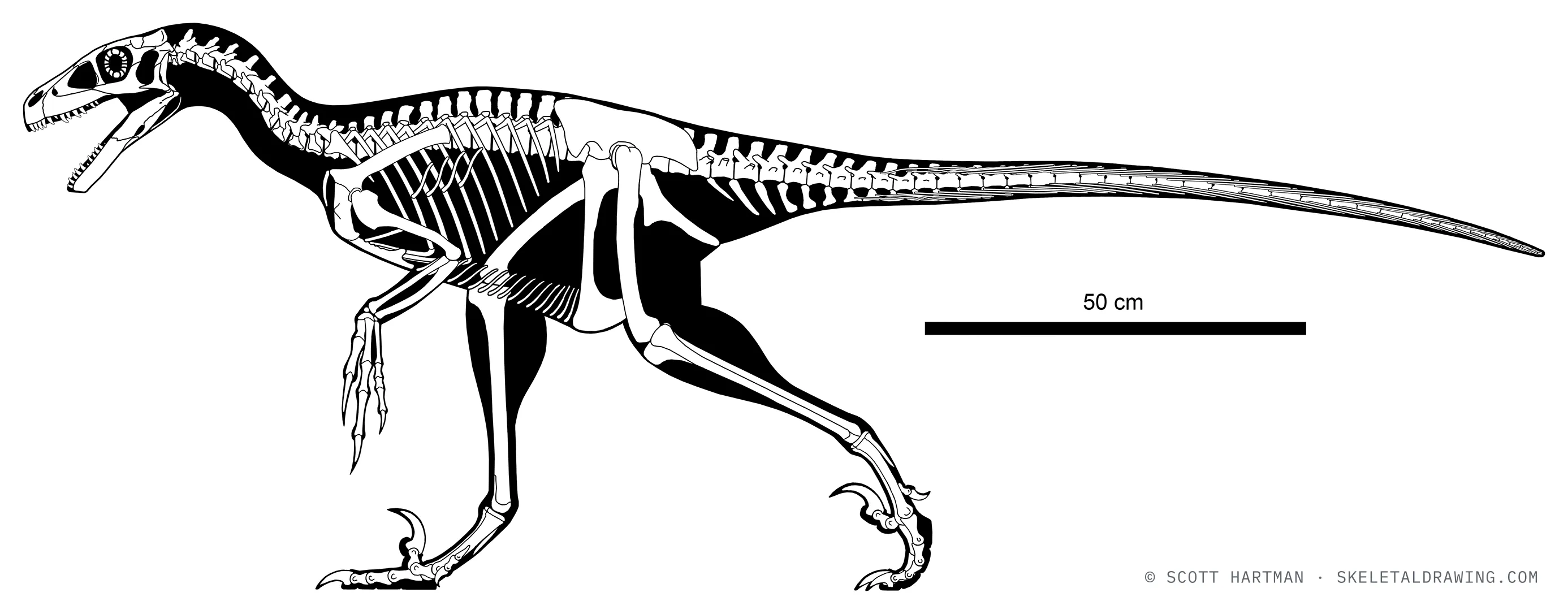
Deinonychus is somehow both more and less famous than perhaps it should be. From the vantage point of today, we can see it as a typical dromaeosaur from the Early Cretaceous of the western United States. At up to 3.5 meters (11 feet) and the weight of a human (70 kg or 150 pounds), this winged hunter would be large enough to scare potential time travelers, but it was smaller than larger dromaeosaurs like Utahraptor and Achillobator. But it should probably be more famous, since its discovery in the 1960s lit the flames that started the Dinosaur Renaissance, the era from the late 1960s to the mid-1990s when prior assumptions about dinosaurs as cold-blooded, lizard-like animals were overturned, and we realized birds were a type of living dinosaur.
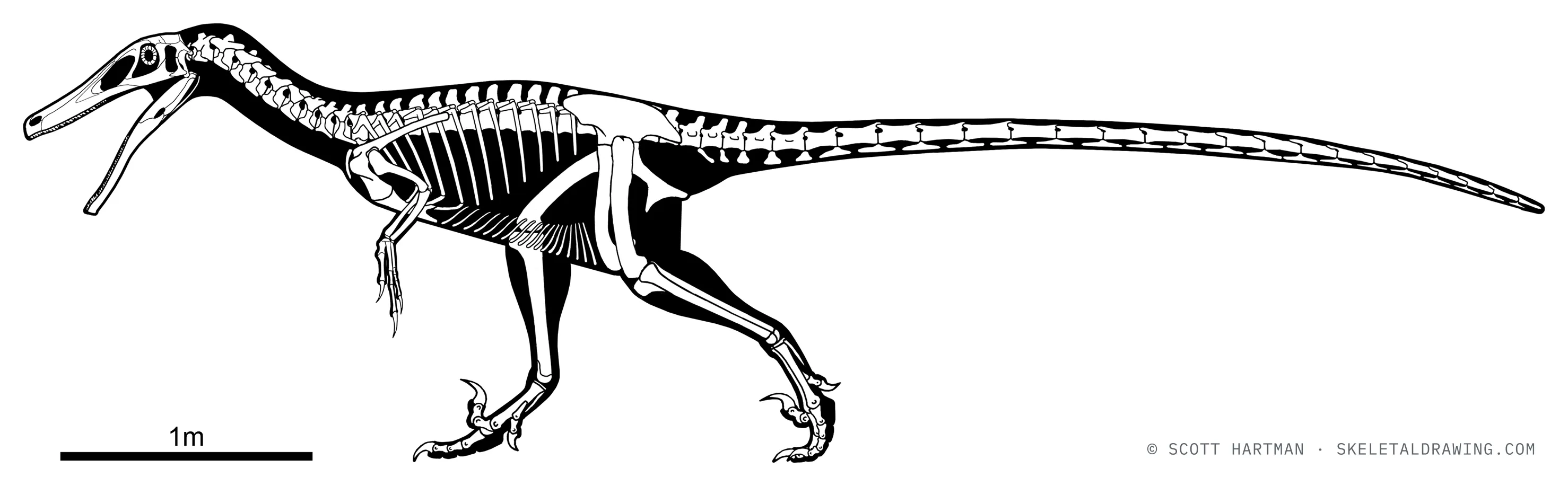
John Ostrom’s work on Deinonychus seemed to him incompatible with prior assumptions, and he was shocked at how much Deinonychus had in common with Archaeopteryx, producing papers that helped inspire the broader era of debate and investigation. So why isn’t Deinonychus more famous than some of its relatives? When Michael Crichton wrote the book Jurassic Park, he famously adopted a suggestion by Greg Paul that Deinonychus could be subsumed into the genus Velociraptor…and even though the idea never caught on scientifically, Crichton felt the nickname “raptor” was much cooler and befit the animal antagonists of his book. Steven Spielberg adopted “raptor” for the Jurassic Park movies, and Deinonychus as a public celebrity was lost, despite it being the actual star of the story.
Yet too much can also be made out of Deinonychus. While Deinonychus fossils aren’t terribly rare, they lack well-preserved, articulated individuals, so reconstructions have to be composites of multiple specimens. Despite that, we know they were like other dromaeosaurs in having well-developed, clawed wings, enlarged claws on their hyper-extendable second toes, which they may have used to hold down struggling prey while starting to eat, and a large, long head full of teeth.